10 Diwali Recipes with Ghee: Easy Festive Sweets at Home

Deepali Mehra

A wellness advocate associated with Organic Tattva, sharing practical insights on nutrition, organic foods, sustainable living, and overall well-being.

Diwali is not Diwali without the aroma of ghee melting in a heavy kadhai. Roasted besan, simmering halwa, sizzling mathri: the smell of festive cooking is really the smell of ghee at work.

This guide shares 10 Diwali recipes made with ghee, from classic sweets to crisp snacks. They are simple, traditional and designed for cooking at home, so you can fill your festive table without a trip to the mithai shop.

Why Ghee Is Essential in Traditional Diwali Recipes

Ghee is the soul of traditional Diwali recipes. It roasts flour and semolina to a nutty gold, gives halwa its glossy shine and makes snacks short, flaky and crisp. Nothing else gives Indian sweets the same rich aroma.

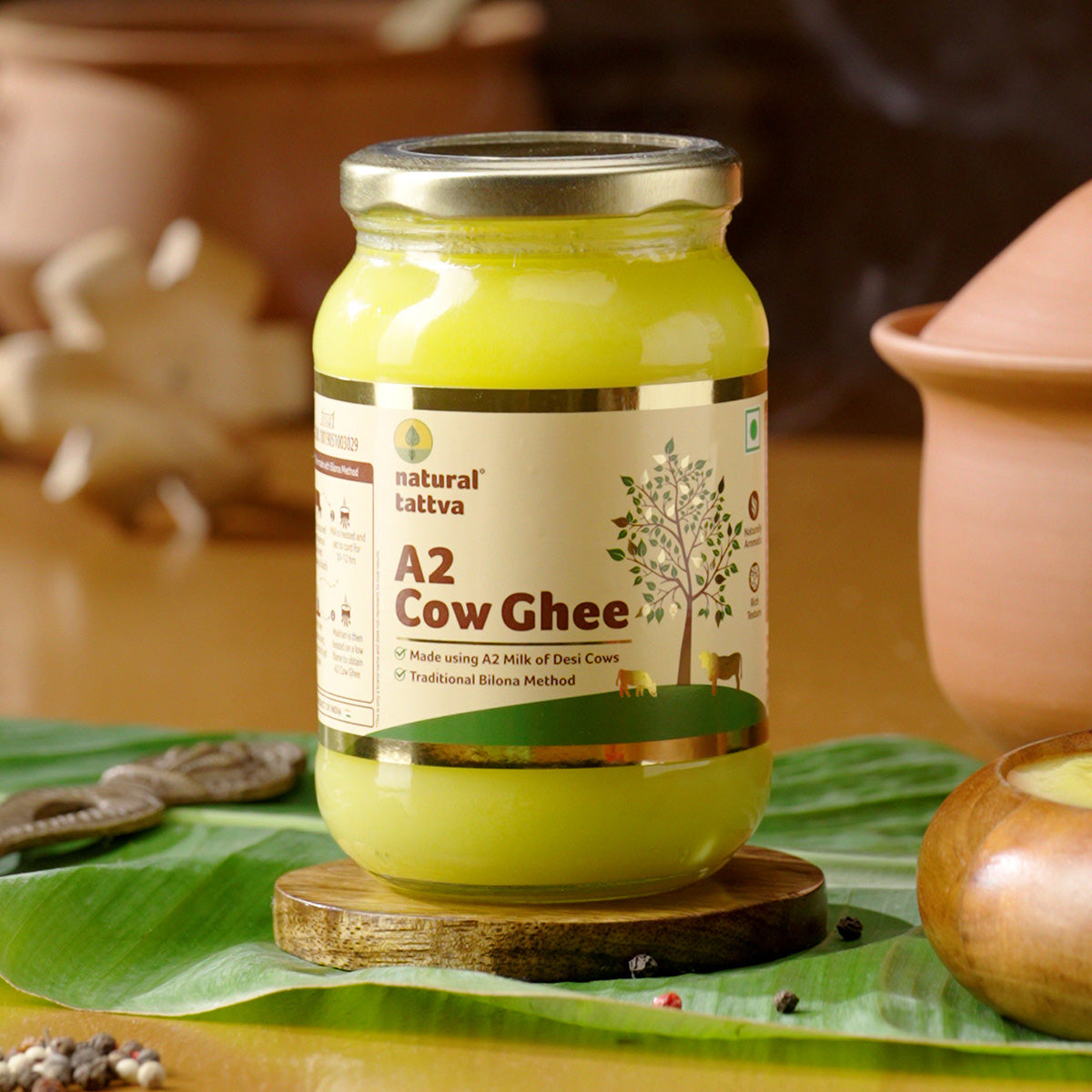
Quality matters even more when a recipe has only a handful of ingredients. Pure cow ghee or A2 cow ghee brings a clean, buttery fragrance that shows up in every bite. Keep a clean, dry spoon handy, and use low to medium heat, so the ghee never browns too fast.

10 Diwali Food Recipes with Ghee You Can Make at Home

1. Besan Ladoo | Makes 12 Ladoos

Ingredients

  • 1½ cups besan
  • ½ cup ghee
  • ¾ cup powdered sugar
  • 2 tbsp chopped almonds
  • ½ tsp cardamom powder

Method

Heat the ghee on low heat and add the besan. Roast for 12 to 15 minutes, stirring constantly, until it turns golden and smells nutty. Cool for 10 minutes, then mix in the sugar, cardamom and almonds. Shape into ladoos while the mixture is still warm.

2. Moong Dal Halwa | Serves 6

Ingredients

  • 1 cup yellow moong dal (soaked for 3 hours and coarsely ground)
  • ¾ cup ghee
  • 1 cup sugar
  • 2 cups hot milk
  • Saffron strands
  • Chopped nuts

Method

Roast the ground dal in ghee on low heat for 25 to 30 minutes until fragrant and golden. Pour in the hot milk carefully and cook until absorbed. Add the sugar and saffron and cook until the ghee separates at the edges. Garnish with nuts.

3. Suji Halwa (Sheera) | Serves 4

Ingredients

  • 1 cup semolina (suji)
  • ½ cup ghee
  • ¾ cup sugar
  • 2½ cups hot water or milk
  • ½ tsp cardamom
  • Raisins and cashews

Method

Roast the cashews and raisins in ghee, then set aside. Roast the semolina in the same ghee for 8 to 10 minutes until aromatic. Add the hot liquid slowly, stirring to avoid lumps. Stir in the sugar and cardamom, cook for 3 to 4 minutes and top with the roasted nuts.

4. Gajar Halwa | Serves 6

Ingredients

  • 500 g grated carrots
  • 3 tbsp ghee
  • 2 cups milk
  • ½ cup sugar
  • 1 tbsp chopped nuts
  • ½ tsp cardamom

Method

Sauté the carrots in ghee for 5 minutes. Add the milk and simmer on medium-low heat for 30 to 35 minutes, stirring often, until thick. Add the sugar and cardamom, and cook until the halwa turns glossy. Serve warm with nuts.

5. Mysore Pak | Makes About 16 Pieces

Ingredients

  • 1 cup besan (sifted)
  • 1 cup sugar
  • ½ cup water
  • 1 cup ghee (melted and hot)

Method

Boil the sugar and water to a one-string syrup. Lower the heat and add the besan, whisking to avoid lumps. Add the hot ghee a little at a time, stirring until the mixture bubbles and pulls away from the pan. Pour into a greased tray, cool slightly and cut into squares.

6. Shankarpali | Makes About 30 Pieces

Ingredients

  • 1 cup maida
  • ¼ cup ghee (melted)
  • ¼ cup sugar
  • ¼ cup warm milk
  • A pinch of salt
  • Ghee or oil for frying

Method

Dissolve the sugar in the warm milk, then mix in the ghee. Add the maida and salt, and knead into a stiff dough. Rest for 20 minutes, roll out, cut into diamonds and fry on low heat until golden. Cool completely before storing.

7. Ghee Mathri | Makes About 20 Pieces

Ingredients

  • 2 cups maida
  • ¼ cup ghee
  • 1 tsp ajwain
  • 1 tsp salt
  • Water to knead
  • Ghee or oil for frying

Method

Rub the ghee into the flour with the ajwain and salt until it resembles breadcrumbs. Knead into a firm dough with water and rest for 30 minutes. Roll small rounds, prick with a fork and fry on low heat for 10 to 12 minutes until crisp and golden.

8. Ghee-Roasted Makhana | Serves 4

Ingredients

  • 2 cups makhana (fox nuts)
  • 1 tbsp ghee
  • ½ tsp salt (use sendha namak for fasting)
  • ¼ tsp black pepper

Method

Heat the ghee on low heat and add the makhana. Roast for 6 to 8 minutes, stirring often, until they turn crisp and snap easily. Sprinkle with salt and pepper, and let them cool before serving.

9. Dry Fruit and Jaggery Ladoo | Makes 12 Ladoos

Ingredients

  • 1 cup mixed chopped nuts (almonds, cashews and pistachios)
  • ½ cup grated jaggery
  • 2 tbsp ghee
  • ½ cup desiccated coconut
  • ½ tsp cardamom

Method

Roast the nuts and coconut in ghee for 3 to 4 minutes. In a separate pan, melt the jaggery with 2 tbsp water and cook for 2 minutes. Mix everything with the cardamom and shape into ladoos while warm.

10. Kesar Badam Kheer | Serves 6

Ingredients

  • ¼ cup rice
  • 1 litre full-fat milk
  • ⅓ cup sugar
  • 1 tbsp ghee
  • A pinch of saffron
  • 2 tbsp sliced almonds

Method

Roast the washed, drained rice in ghee for 2 minutes. Add it to the boiling milk and simmer for 35 to 40 minutes, stirring often. Add the sugar, saffron and almonds, and cook for 5 more minutes. Serve warm or chilled.

Tips for Cooking Diwali Sweet Recipes With Ghee

  • Always use low heat: Ghee roasts flour evenly without burning.
  • Use warm or hot liquids in halwa: Cold liquid causes lumps and spluttering.
  • Cool ladoo mixtures slightly before shaping: This helps prevent the ghee from separating.
  • Store snacks in airtight tins: Mathri and shankarpali stay fresh for two to three weeks when stored properly.
  • Swap sugar for jaggery in ladoos: Add it after cooling to prevent curdling in milk-based sweets.

Stock Your Festive Kitchen With Organic Tattva

Every one of these Indian Diwali recipes begins with good ingredients. At Organic Tattva, you can find Organic Cow Ghee and Natural Tattva A2 Cow Ghee, along with jaggery, dry fruits and makhana, all sourced from farmers who follow organic practices. Stock up before the festive rush and you will have everything you need for ladoos, halwa and snacks in one order.

Final Thoughts: Make This Diwali Rich With Ghee

These traditional Diwali recipes prove that a few simple ingredients, cooked slowly in good ghee, can turn into the sweets and snacks your family will remember. Start with one or two recipes this year and add more as your confidence grows.

Ready to start cooking? Shop pure cow ghee, A2 ghee, jaggery and dry fruits at Organic Tattva and make this Diwali rich in flavour. Visit organictattva.com and fill your festive kitchen with the aroma of real ghee.

Frequently Asked Questions 

Which ghee is best for Diwali recipes?

Pure cow ghee or A2 cow ghee is best for Diwali recipes because it has a rich aroma and a clean, nutty flavour. It works well in sweets such as ladoo, halwa and Mysore Pak, as well as in snacks like mathri.

Which Diwali sweet recipes use ghee?

Many Diwali sweet recipes use ghee, including besan ladoo, moong dal halwa, suji halwa, gajar halwa, Mysore Pak, soan papdi and kheer. Ghee gives these sweets their aroma, texture and shine.

Can I make Diwali recipes at home without a mithai shop?

Yes, most traditional Diwali recipes are easy to make at home with basic ingredients such as flour, ghee, sugar or jaggery and nuts. Sweets like besan ladoo, suji halwa and kheer need only simple steps and a heavy-bottomed pan.

How much ghee do I need for besan ladoo?

You need about half a cup of ghee for every one and a half cups of besan. This is enough to roast the flour evenly and bind the ladoos without making them oily.

How long do homemade Diwali sweets and snacks last?

Dry snacks such as mathri and shankarpali stay fresh for two to three weeks in airtight containers when stored properly. Ladoos last about one to two weeks, while halwa and kheer should be refrigerated and consumed within one to two days.

Can I use jaggery instead of sugar in Diwali recipes?

Yes, jaggery works well in ladoos, chikki and some kheer recipes, and gives a deeper caramel flavour. For milk-based sweets, allow the milk to cool slightly before adding jaggery to reduce the risk of curdling.

Is ghee-roasted makhana a good Diwali snack?

Yes, ghee-roasted makhana is a light, crunchy Diwali snack that takes under ten minutes to make. It is a popular festive and fasting snack because it needs little ghee and stays crisp in an airtight jar when stored after cooling.

Related Blogs

Related Products

Recipes

Diwali Recipes with Jaggery Instead of Refined Sugar

Recipes

10 Easy Diwali Recipes with Jaggery Instead of Refined Sugar

by Organic Tattva on Oct 22 2026
Diwali without mithai is unthinkable, but the sugar crash that follows is optional. This year, swap white sugar for jaggery and keep every bit of festive flavour. Jaggery, also called gur or gud, is an unrefined natural sweetener made from sugarcane juice. Its deep, caramel-like sweetness suits ladoos, halwas and kheers beautifully. These 10 easy Diwali recipes with jaggery use simple pantry ingredients, pure cow ghee and crunchy dry fruits, so you can serve healthy Diwali sweets without refined sugar to every guest. Diwali 2026 falls on 8 November, so there is plenty of time to plan, shop, and practise your favourites. Every recipe below is beginner friendly, quick to prepare and perfect for sharing with family and guests. Why Choose Jaggery Over Refined Sugar for Diwali Sweets? Refined sugar is stripped of everything except sweetness. Jaggery is far less processed, so it retains the molasses and traces of minerals such as iron, magnesium and potassium. It also adds a rich, earthy depth that white sugar simply cannot match, which is why generations of Indian kitchens have relied on gur for festive cooking. One honest note: jaggery is still a form of sugar. It is a better everyday swap, not a licence to overindulge, and people managing diabetes should check with their doctor before eating jaggery sweets. Choose organic jaggery with a natural golden-brown colour, since a very bright yellow shade can signal chemical processing. Quick Swap Guide Use about 3/4 cup of powdered jaggery for every 1 cup of sugar. Melt it with a splash of water and strain out any impurities. In milk-based sweets, add jaggery only after the milk has cooled slightly, because hot milk can curdle. 10 Easy Diwali Recipes with Jaggery 1. Jaggery Besan Ladoo Ingredients: 2 cups besan, 1/2 cup Organic Cow Ghee, 3/4 cup powdered jaggery, 1/2 tsp cardamom, chopped almonds. Method: Roast the besan in ghee on low heat for 12 to 15 minutes until nutty and fragrant. Cool for ten minutes, then mix in the jaggery, cardamom, and almonds. Shape into ladoos while warm. Cooling first keeps the jaggery from melting unevenly and turning sticky. 2. Dry Fruit and Jaggery Ladoo Ingredients: 1 cup almonds and cashews, 1/2 cup pistachios, 3/4 cup grated jaggery, 2 tbsp A2 Cow Ghee, a pinch of dry ginger powder. Method: Dry roast the nuts and grind coarsely. Gently melt the jaggery with ghee until smooth, then fold in the nuts and ginger powder. Roll into ladoos once the mixture is comfortable to handle. These keep well and make a lovely Diwali gift. 3. Coconut Jaggery Ladoo (Nariyal Gud Ladoo) Ingredients: 2 cups desiccated coconut, 3/4 cup grated jaggery, 2 tbsp cow ghee, 1/4 tsp cardamom. Method: Cook the jaggery with two tablespoons of water until melted. Add coconut and ghee, then stir on low heat for eight minutes until the mixture holds together. Cool slightly and shape into balls. Simple, soft, and ready in twenty minutes. 4. Makhana Jaggery Chikki Ingredients: 2 cups makhana, 3/4 cup jaggery, 1 tbsp ghee, 1 tsp ghee for roasting. Method: Roast the makhana in a teaspoon of ghee until crisp. Melt the jaggery with one tablespoon of ghee until it bubbles and a drop sets in cold water. Toss in the makhana, press onto a greased plate and cut into squares before it hardens. 5. Gur Shakarpara (Jaggery Shankarpali) Ingredients: 1 1/2 cups atta, 1/4 cup ghee, 1/2 cup jaggery dissolved in 1/3 cup warm water, a pinch of salt, ghee or oil for frying. Method: Strain and cool the jaggery water. Rub ghee into the flour, then knead a stiff dough with the jaggery water. Rest for twenty minutes, roll out, cut into diamonds and fry on low heat until golden. Cool completely and store airtight for about two weeks. 6. Moong Dal Halwa with Jaggery Ingredients: 1 cup soaked moong dal, 1/2 cup A2 Cow Ghee, 3/4 cup jaggery, 1 1/2 cups hot water, cardamom, chopped nuts. Method: Grind the dal coarsely and roast it in ghee for 20 to 25 minutes until golden. Add hot water and cook until absorbed. Stir in melted jaggery and cardamom, cook five more minutes and garnish with nuts. Patience during roasting is the secret to the flavour. 7. Atta Gur Halwa (Wheat Jaggery Halwa) Ingredients: 1 cup whole wheat atta, 1/2 cup cow ghee, 3/4 cup jaggery, 2 cups hot water, raisins, cardamom. Method: Roast the atta in ghee for about ten minutes until deep golden. Dissolve the jaggery in hot water, then pour it in slowly, standing back as it splutters. Stir until thick and glossy. Add raisins and cardamom. This is comfort food at its simplest. 8. Jaggery Rava Kesari Ingredients: 1 cup rava, 3 tbsp ghee, 2 cups hot water, 3/4 cup jaggery syrup, saffron strands, cashews, raisins. Method: Fry the cashews and raisins in the ghee and set aside. Roast the rava in the same ghee, add hot water and cook until soft. Pour in the strained jaggery syrup and saffron, stir for five minutes and top with the fried nuts. Serve warm. 9. Gur Ki Kheer (Jaggery Rice Kheer) Ingredients: 1/4 cup soaked rice, 1 litre full-fat milk, 1/2 cup grated jaggery, saffron, almonds, cardamom. Method: Simmer the rice in milk for 30 to 35 minutes until creamy. Switch off the heat and let it cool for five minutes. Stir in the jaggery gradually, then add saffron and cardamom. Adding jaggery to boiling milk can split it, so never skip this resting step. 10. Jaggery Malpua (Gur Malpua) Ingredients: 1 cup atta, 1/4 cup semolina, 1/2 cup grated jaggery, 3/4 cup milk, 1/2 tsp fennel seeds, ghee for frying. Method: Dissolve the jaggery in milk, then whisk in the atta, semolina and fennel to a smooth batter. Rest for thirty minutes. Spoon small rounds into hot ghee and fry until the edges turn golden and lacy. Serve warm with chopped nuts or rabri. Pro Tips for Cooking with Jaggery Always grate or powder jaggery finely so it melts evenly, and strain the syrup through a sieve to remove any tiny impurities. Cook it on low heat, because jaggery burns quickly and turns bitter. For ladoos, let the base mixture cool before adding jaggery, so the ladoos hold their shape instead of turning sticky. If you prefer less sweetness, start with half the quantity and adjust to taste, since jaggery has a stronger flavour than sugar. Jaggery sweets also make thoughtful Diwali gifts. Pack ladoos, chikki and shakarpara in clean glass jars or small boxes, and your family and friends will enjoy a homemade treat that feels truly festive. Choose Ingredients That Make Your Diwali Sweets Better Simple recipes depend on quality ingredients. Because jaggery sweets have so few components, the jaggery, ghee and dry fruits you pick decide how good they taste. Organic Tattva offers organic jaggery, Organic Cow Ghee, Natural Tattva A2 Cow Ghee, dry fruits and makhana, all sourced with care and made for traditional Indian kitchens. Ready to make your Diwali sweeter without the refined sugar? Shop Organic Tattva jaggery, ghee, dry fruits and makhana at organictattva.com, and bring a more flavourful celebration to your home. Frequently Asked Questions Q. Can I replace sugar with jaggery in Diwali sweets? Yes, you can replace sugar with jaggery in most Diwali sweets. Use about 3/4 cup of powdered jaggery for every 1 cup of sugar, since jaggery tastes richer. It works best in ladoos, halwas, chikki and fried sweets such as shakarpara and malpua. Q. Is jaggery healthier than refined sugar? Jaggery is less processed than refined sugar and retains traces of minerals such as iron and magnesium. However, it is still sugar and should be eaten in moderation. People with diabetes should consult a doctor before including jaggery sweets in their diet. Q. Why does milk curdle when I add jaggery? Milk can curdle because jaggery is slightly acidic, and hot milk is sensitive to acid. To prevent this, switch off the heat, let the milk cool for a few minutes, and then stir in the jaggery gradually, as in gur kheer. Q. Which ghee is best for making jaggery sweets? Pure cow ghee or A2 cow ghee is best for jaggery sweets. Its rich aroma and nutty flavour complement the caramel notes of jaggery, especially in besan ladoo, moong dal halwa and atta halwa. Q. How long do homemade jaggery sweets stay fresh? Dry sweets such as ladoos, chikki and shakarpara may stay fresh for around two weeks in an airtight container, depending on their moisture content and storage conditions. Milk-based sweets such as kheer should be refrigerated promptly and generally eaten within two to three days. Follow safe storage practices for all homemade sweets. Q. How can I identify good quality jaggery? Good quality jaggery often has a natural golden-brown to dark brown colour, an earthy aroma, and a slightly crumbly texture. Colour alone cannot reliably establish purity or whether chemicals were used in processing. Choose jaggery from a reputable supplier and check its ingredient and certification details.
10 Diwali Recipes with Ghee Easy Festive Sweets at Home

Recipes

10 Diwali Recipes with Ghee: Easy Festive Sweets at Home

by Organic Tattva on Oct 21 2026
Diwali is not Diwali without the aroma of ghee melting in a heavy kadhai. Roasted besan, simmering halwa, sizzling mathri: the smell of festive cooking is really the smell of ghee at work. This guide shares 10 Diwali recipes made with ghee, from classic sweets to crisp snacks. They are simple, traditional and designed for cooking at home, so you can fill your festive table without a trip to the mithai shop. Why Ghee Is Essential in Traditional Diwali Recipes Ghee is the soul of traditional Diwali recipes. It roasts flour and semolina to a nutty gold, gives halwa its glossy shine and makes snacks short, flaky and crisp. Nothing else gives Indian sweets the same rich aroma. Quality matters even more when a recipe has only a handful of ingredients. Pure cow ghee or A2 cow ghee brings a clean, buttery fragrance that shows up in every bite. Keep a clean, dry spoon handy, and use low to medium heat, so the ghee never browns too fast. 10 Diwali Food Recipes with Ghee You Can Make at Home 1. Besan Ladoo | Makes 12 Ladoos Ingredients 1½ cups besan ½ cup ghee ¾ cup powdered sugar 2 tbsp chopped almonds ½ tsp cardamom powder Method Heat the ghee on low heat and add the besan. Roast for 12 to 15 minutes, stirring constantly, until it turns golden and smells nutty. Cool for 10 minutes, then mix in the sugar, cardamom and almonds. Shape into ladoos while the mixture is still warm. 2. Moong Dal Halwa | Serves 6 Ingredients 1 cup yellow moong dal (soaked for 3 hours and coarsely ground) ¾ cup ghee 1 cup sugar 2 cups hot milk Saffron strands Chopped nuts Method Roast the ground dal in ghee on low heat for 25 to 30 minutes until fragrant and golden. Pour in the hot milk carefully and cook until absorbed. Add the sugar and saffron and cook until the ghee separates at the edges. Garnish with nuts. 3. Suji Halwa (Sheera) | Serves 4 Ingredients 1 cup semolina (suji) ½ cup ghee ¾ cup sugar 2½ cups hot water or milk ½ tsp cardamom Raisins and cashews Method Roast the cashews and raisins in ghee, then set aside. Roast the semolina in the same ghee for 8 to 10 minutes until aromatic. Add the hot liquid slowly, stirring to avoid lumps. Stir in the sugar and cardamom, cook for 3 to 4 minutes and top with the roasted nuts. 4. Gajar Halwa | Serves 6 Ingredients 500 g grated carrots 3 tbsp ghee 2 cups milk ½ cup sugar 1 tbsp chopped nuts ½ tsp cardamom Method Sauté the carrots in ghee for 5 minutes. Add the milk and simmer on medium-low heat for 30 to 35 minutes, stirring often, until thick. Add the sugar and cardamom, and cook until the halwa turns glossy. Serve warm with nuts. 5. Mysore Pak | Makes About 16 Pieces Ingredients 1 cup besan (sifted) 1 cup sugar ½ cup water 1 cup ghee (melted and hot) Method Boil the sugar and water to a one-string syrup. Lower the heat and add the besan, whisking to avoid lumps. Add the hot ghee a little at a time, stirring until the mixture bubbles and pulls away from the pan. Pour into a greased tray, cool slightly and cut into squares. 6. Shankarpali | Makes About 30 Pieces Ingredients 1 cup maida ¼ cup ghee (melted) ¼ cup sugar ¼ cup warm milk A pinch of salt Ghee or oil for frying Method Dissolve the sugar in the warm milk, then mix in the ghee. Add the maida and salt, and knead into a stiff dough. Rest for 20 minutes, roll out, cut into diamonds and fry on low heat until golden. Cool completely before storing. 7. Ghee Mathri | Makes About 20 Pieces Ingredients 2 cups maida ¼ cup ghee 1 tsp ajwain 1 tsp salt Water to knead Ghee or oil for frying Method Rub the ghee into the flour with the ajwain and salt until it resembles breadcrumbs. Knead into a firm dough with water and rest for 30 minutes. Roll small rounds, prick with a fork and fry on low heat for 10 to 12 minutes until crisp and golden. 8. Ghee-Roasted Makhana | Serves 4 Ingredients 2 cups makhana (fox nuts) 1 tbsp ghee ½ tsp salt (use sendha namak for fasting) ¼ tsp black pepper Method Heat the ghee on low heat and add the makhana. Roast for 6 to 8 minutes, stirring often, until they turn crisp and snap easily. Sprinkle with salt and pepper, and let them cool before serving. 9. Dry Fruit and Jaggery Ladoo | Makes 12 Ladoos Ingredients 1 cup mixed chopped nuts (almonds, cashews and pistachios) ½ cup grated jaggery 2 tbsp ghee ½ cup desiccated coconut ½ tsp cardamom Method Roast the nuts and coconut in ghee for 3 to 4 minutes. In a separate pan, melt the jaggery with 2 tbsp water and cook for 2 minutes. Mix everything with the cardamom and shape into ladoos while warm. 10. Kesar Badam Kheer | Serves 6 Ingredients ¼ cup rice 1 litre full-fat milk ⅓ cup sugar 1 tbsp ghee A pinch of saffron 2 tbsp sliced almonds Method Roast the washed, drained rice in ghee for 2 minutes. Add it to the boiling milk and simmer for 35 to 40 minutes, stirring often. Add the sugar, saffron and almonds, and cook for 5 more minutes. Serve warm or chilled. Tips for Cooking Diwali Sweet Recipes With Ghee Always use low heat: Ghee roasts flour evenly without burning. Use warm or hot liquids in halwa: Cold liquid causes lumps and spluttering. Cool ladoo mixtures slightly before shaping: This helps prevent the ghee from separating. Store snacks in airtight tins: Mathri and shankarpali stay fresh for two to three weeks when stored properly. Swap sugar for jaggery in ladoos: Add it after cooling to prevent curdling in milk-based sweets. Stock Your Festive Kitchen With Organic Tattva Every one of these Indian Diwali recipes begins with good ingredients. At Organic Tattva, you can find Organic Cow Ghee and Natural Tattva A2 Cow Ghee, along with jaggery, dry fruits and makhana, all sourced from farmers who follow organic practices. Stock up before the festive rush and you will have everything you need for ladoos, halwa and snacks in one order. Final Thoughts: Make This Diwali Rich With Ghee These traditional Diwali recipes prove that a few simple ingredients, cooked slowly in good ghee, can turn into the sweets and snacks your family will remember. Start with one or two recipes this year and add more as your confidence grows. Ready to start cooking? Shop pure cow ghee, A2 ghee, jaggery and dry fruits at Organic Tattva and make this Diwali rich in flavour. Visit organictattva.com and fill your festive kitchen with the aroma of real ghee. Frequently Asked Questions  Which ghee is best for Diwali recipes? Pure cow ghee or A2 cow ghee is best for Diwali recipes because it has a rich aroma and a clean, nutty flavour. It works well in sweets such as ladoo, halwa and Mysore Pak, as well as in snacks like mathri. Which Diwali sweet recipes use ghee? Many Diwali sweet recipes use ghee, including besan ladoo, moong dal halwa, suji halwa, gajar halwa, Mysore Pak, soan papdi and kheer. Ghee gives these sweets their aroma, texture and shine. Can I make Diwali recipes at home without a mithai shop? Yes, most traditional Diwali recipes are easy to make at home with basic ingredients such as flour, ghee, sugar or jaggery and nuts. Sweets like besan ladoo, suji halwa and kheer need only simple steps and a heavy-bottomed pan. How much ghee do I need for besan ladoo? You need about half a cup of ghee for every one and a half cups of besan. This is enough to roast the flour evenly and bind the ladoos without making them oily. How long do homemade Diwali sweets and snacks last? Dry snacks such as mathri and shankarpali stay fresh for two to three weeks in airtight containers when stored properly. Ladoos last about one to two weeks, while halwa and kheer should be refrigerated and consumed within one to two days. Can I use jaggery instead of sugar in Diwali recipes? Yes, jaggery works well in ladoos, chikki and some kheer recipes, and gives a deeper caramel flavour. For milk-based sweets, allow the milk to cool slightly before adding jaggery to reduce the risk of curdling. Is ghee-roasted makhana a good Diwali snack? Yes, ghee-roasted makhana is a light, crunchy Diwali snack that takes under ten minutes to make. It is a popular festive and fasting snack because it needs little ghee and stays crisp in an airtight jar when stored after cooling.
Makhana Recipes for Fasting

Recipes

Makhana Recipes for Fasting: Roasted, Fried and Sweet Ways to Enjoy Vrat Ka Khana

by Organic Tattva on Oct 01 2026
Fasting days in India come with their own food rulebook and finding something that is both filling and fast approved is not always easy. This is where makhana, also called phool makhana or fox nuts, quietly becomes the hero of the vrat thali. Whether it is Navratri, Ekadashi, Shivratri, or a weekly upvas, makhana food fits every fasting occasion because it needs no onion, no garlic, and no regular table salt to taste good. In this guide, we cover simple, tried-and-tested makhana recipes for fasting, including roasted makhana, a spiced makhana fry, a tangy fasting-style chaat, and a couple of sweet options. We also answer common questions like how to roast makhana, the calories in roasted makhana, and the best way to eat makhana during a fast, so you have everything you need in one place. Why Makhana Is the Best Fasting Food Before we get to the makhana preparation methods, it helps to understand why this seed is such a fasting favourite. Makhana is light on the stomach, digests slowly, and keeps hunger pangs away for hours, which matters when you are running on one or two meals a day. It is naturally gluten-free, low in fat, and carries a good amount of plant protein and fibre, so it supports energy levels without weighing you down. Because makhana has almost no flavour of its own, it soaks whatever you season it with, from a simple pinch of rock salt to melted ghee and jaggery. This makes it endlessly adaptable across regional fasting customs, whether you are cooking for a Marathi upvas, a North Indian Navratri thali, or a Bengali Ekadashi meal. How to Roast Makhana at Home Roasted makhana is the base for almost every other fasting recipe on this list, so getting this step right matters. Basic Roasted Makhana Ingredients 2 cups makhana 1-2 teaspoons ghee Rock salt (sendha namak), to taste Method Warm the ghee in a heavy-bottomed pan on low to medium flame. Add the makhana and stir continuously so it toasts evenly instead of catching on one side. Roast for 6-8 minutes until the seeds turn crisp, sound hollow when tapped, and lighten in colour. Turn off the flame, sprinkle rock salt while the makhana is still warm, and toss well. Cool completely before storing in an airtight jar, since roasted makhana turns soft if packed while warm. This roasted makhana recipe is the one to bookmark for daily snacking through a fasting month, not just festival days. 5 Makhana Recipes for Fasting 1. Classic Roasted Makhana This is the simplest makhana fry and the most fasting-friendly of the lot. Roast the makhana in ghee, finish with rock salt, and add a light dusting of crushed black pepper if your fasting rules allow it. Keep a jar handy throughout the day for a light, crunchy bite between meals. Steps: Heat 1-2 teaspoons of ghee in a heavy-bottomed pan over low heat. Add 2 cups of makhana and roast on low heat for 7-10 minutes. Stir continuously so the makhana roasts evenly without burning. Check if they are crisp by pressing one between your fingers; it should break easily. Turn off the heat and add rock salt. Add a little crushed black pepper if it is permitted during your fast. Mix well, cool completely, and store in an airtight jar. 2. Makhana and Peanut Fry For a heartier fasting snack, roast makhana in ghee along with a handful of raw peanuts and a few curry leaves. Once both turn golden and crisp, season with rock salt and a squeeze of lemon juice. The peanuts add extra protein and a satisfying bite, making this one of the more filling makhana fry recipe options for a long fasting day. Steps: Heat 1-2 teaspoons of ghee in a pan over low to medium heat. Add a handful of raw peanuts and roast until golden and crisp. Add a few curry leaves and sauté for a few seconds. Add 2 cups of makhana to the pan. Roast everything together on low heat for 7-10 minutes, stirring regularly. Once the makhana becomes crisp, turn off the heat. Season with rock salt. Add a small squeeze of fresh lemon juice and mix well. Allow it to cool slightly before serving. 3. Fasting-Style Makhana Chaat Chaat does not have to be off the menu during a vrat. In a bowl, combine roasted makhana with boiled and cubed potato, roasted peanuts, chopped coriander, and a spoon of fresh curd. Season with rock salt and a dash of lemon juice instead of chaat masala, since most fasting rules skip regular spice blends. This cooling, tangy mix is one of the best ways to eat makhana if you want something closer to a full meal. Steps: Roast 1-2 cups of makhana in a little ghee until crisp. Boil 1 medium potato until tender, peel it, and cut it into small cubes. Dry-roast a handful of peanuts until crunchy. Add the roasted makhana, potato cubes, and peanuts to a large bowl. Add chopped fresh coriander. Add 1-2 tablespoons of fresh curd. Season with rock salt and a squeeze of lemon juice. Gently mix all the ingredients together. Serve immediately so the makhana stays crunchy. 4. Makhana Kheer No fasting food list is complete without a dessert, and makhana kheer is the classic choice. Lightly roast a cup of makhana in ghee, then simmer it in full-fat milk on low heat for 15-20 minutes until it softens and the kheer thickens. Sweeten with jaggery instead of refined sugar, and finish with a pinch of cardamom and a few soaked almonds or cashews. Serve warm or chilled after your fasting meal. Steps: Heat 1 teaspoon of ghee in a pan. Add 1 cup of makhana and lightly roast until crisp. Let the roasted makhana cool slightly and crush it roughly. Pour 2-3 cups of full-fat milk into a heavy-bottomed pan. Bring the milk to a gentle boil, then reduce the heat. Add the roasted makhana and simmer on low heat for 15-20 minutes. Stir occasionally until the makhana softens and the milk thickens. Add jaggery according to taste and mix well. Add it after reducing the heat to avoid curdling. Add a pinch of cardamom powder. Garnish with soaked and chopped almonds or cashews. Serve warm or refrigerate and serve chilled. 5. Makhana and Jaggery Chikki For a portable, no-cook-required sweet snack, melt jaggery gently until it turns syrupy, then stir in roasted makhana along with chopped almonds or cashews. Spread the mixture on a greased plate, let it set, and break it into pieces once cool. This makhana sweet keeps well for several days and travels easily, which makes it a practical choice for fasting days spent away from home. Steps: Dry-roast 2 cups of makhana in a pan until crisp. Roughly crush the makhana into smaller pieces. Chop a handful of almonds or cashews. Grease a plate or tray with a little ghee and keep it ready. Heat jaggery in a pan over low heat with a small splash of water. Stir gently until the jaggery melts and becomes thick and syrupy. Check the consistency by dropping a little syrup into cold water; it should harden and become brittle. Quickly add the roasted makhana and chopped nuts. Mix everything thoroughly so the jaggery coats the makhana evenly. Immediately transfer the mixture to the greased plate. Flatten it with a greased rolling pin or spatula. Allow it to cool and set completely. Break or cut it into pieces and store in an airtight container. Calories in Roasted Makhana and Why It Fits a Fasting Diet A cup of plain roasted makhana (roasted in a small amount of ghee) typically works out to roughly 150-180 calories, depending on how much ghee is used. That is considerably lighter than most fried fasting snacks like sabudana vada or fried potato chips, which is exactly why roasted makhana benefits fasters who want volume and crunch without overloading on calories. The fibre content also helps you feel full for longer, which is useful when meals are spaced further apart than usual. Best Way to Eat Makhana During a Fast There is no single “correct” way to eat makhana seeds through a fast, but a few habits make it work better: Roast a large batch in ghee at the start of the fasting period so you always have a ready snack. Pair it with rock salt rather than iodised table salt, in line with most regional fasting rules. Balance a savoury makhana fry earlier in the day with a lighter, milk-based makhana kheer for the evening meal. Add dry fruits or peanuts when you need more sustained energy for a longer fasting stretch, such as the full nine days of Navratri. Choosing the Right Makhana for Your Fasting Recipes The final dish is only as good as the makhana you start with. Look for large, uniformly white, and evenly puffed seeds that snap cleanly rather than seeds that feel chewy or damp, since those roast unevenly and stay soft instead of crisp. Organic Tattva's Natural Tattva Makhana is grown and processed without added chemicals or preservatives, which matters on fasting days when you want an ingredient list you can trust. It pairs naturally with Organic Tattva's A2 Cow Ghee for roasting, Rock Salt (Sendha Namak) for seasoning, and jaggery for the sweeter recipes above, so you can put together a full fasting spread from ingredients meant for exactly this purpose. For festival shopping, the brand's Fasting Feast Combo bundles makhana with rock salt, ghee, and vrat-friendly flours in one pack, saving you the trouble of sourcing each ingredient separately. Conclusion Makhana earns its place on the fasting table because it is light, versatile, and genuinely satisfying, whether roasted plain, tossed into a tangy chaat, or simmered into a bowl of kheer. With a good batch of roasted makhana on hand, a fasting day feels far less restrictive and a lot more delicious. Start with clean, well-sourced makhana and simple fasting staples like rock salt, ghee, and jaggery, and these recipes practically make themselves. FAQs 1. Can we eat makhana during Navratri and other fasting days? Yes, makhana is one of the most commonly eaten foods during Navratri, Ekadashi, and other fasting days across India. It contains no grains or lentils that are typically restricted during a vrat, and it is light enough to eat multiple times through the day without feeling heavy. 2. How do you roast makhana so it stays crisp? Roast makhana in a small amount of ghee on low to medium heat, stirring constantly for 6-8 minutes until the seeds sound hollow when tapped. Let the roasted makhana cool completely before storing it in an airtight container, since sealing it while warm traps moisture and softens the crunch. 3. How many calories are in roasted makhana? A cup of makhana roasted in a little ghee generally has around 150-180 calories, which is considerably lower than most deep-fried fasting snacks. This makes it a practical choice when you want volume and crunch during a fast without a heavy calorie load. 4. What is the best way to eat makhana seeds on a fasting day? Roasted makhana seasoned with rock salt works well as an anytime snack, while makhana kheer sweetened with jaggery makes a satisfying end to a fasting meal. Many people also mix roasted makhana with peanuts, dry fruits, or curd to turn it into a more filling, meal-like dish. 5. Can makhana be made into both sweet and savoury fasting recipes? Yes, makhana works equally well in savoury preparations like roasted makhana or makhana fry, and in sweet dishes like makhana kheer or jaggery chikki. This flexibility is part of why it appears so often across different regional fasting menus. 6. What ingredients should be avoided when preparing makhana for fasting? Most fasting rules call for avoiding regular table salt, onion, garlic, and standard spice blends like chaat masala or garam masala. Rock salt (sendha namak), ghee, jaggery, curd, and simple herbs like coriander are generally considered fasting-friendly and pair well with makhana.
Besan Ladoo Recipe: How to Make Traditional Besan Laddu at Home

Recipes

Besan Ladoo Recipe: How to Make Traditional Besan Laddu at Home

by Organic Tattva on Jul 31 2026
Besan ladoo is one of India's most loved traditional sweets. Cooks make it with roasted gram flour, pure ghee, and sugar. This humble mithai carries the aroma of grandmother's kitchen and the joy of every festival. Families across India prepare besan laddu during Diwali, Rakshabandhan, and other happy occasions. The recipe looks simple. Yet a few small techniques decide whether your ladoo turns out soft and grainy, or hard and dense. This guide walks you through each step. You will learn how to roast besan the right way, how to bind the mixture, and how to shape perfect round ladoos every time. Whether you are a beginner or an experienced home cook, this easy besan ladoo recipe will help you recreate the authentic taste at home. What Is Besan Ladoo? Besan ladoo is a round Indian sweet. Cooks make it from gram flour, ghee, and sugar. They roast the besan slowly in ghee until it turns golden and fragrant. Then they mix in powdered sugar and cardamom. They shape the warm mixture into small round balls. Many cooks add chopped nuts on top for extra crunch. This ladoo stays fresh for weeks. It also works well as prasad, festival sweet, or everyday treat. Besan Ladoo Ingredients This recipe needs only a few pantry staples. Pick fresh, good-quality besan and pure ghee for the best result. The quantities below make around 15 to 18 medium ladoos. Ingredient Quantity Besan (gram flour) — organic besan preferred 2 cups Pure ghee 1 cup Powdered sugar 1 cup Cardamom powder 1 teaspoon Chopped almonds and cashews 2 tablespoons Melon seeds (optional) 1 tablespoon Tip: Fine, chemical-free besan roasts more evenly and tastes cleaner. Organic Tattva offers pure, organic besan that works well for this recipe — explore it at organictattva.com. How to Make Besan Ladoo (Step-by-Step) Follow these steps in order. Each step builds on the one before it, so read through once before you start. Place a heavy-bottomed pan on low flame. Add the ghee and let it melt fully. Add the besan to the melted ghee. Roast it on low flame. Stir continuously so it does not stick. Watch and check the color. The besan will first form small lumps, then turn smooth. Keep stirring until it turns golden brown. This step takes about 15 to 20 minutes. Smell and confirm doneness. A rich, nutty aroma means the besan is roasted well. Turn off the flame at this point. Cool and rest the mixture. Let the roasted besan cool for 8 to 10 minutes. It should stay warm, not hot, to the touch. Add the powdered sugar, cardamom powder, and chopped nuts. Mix everything well until evenly combined. Shape and form the ladoos. Take a small portion of the mixture. Press it firmly, then roll it between your palms into a round ball. Let the shaped ladoos cool completely on a plate. Store them in an airtight container. Tips for Perfect Besan Laddu Every Time Roast the besan on low flame only. High heat burns it quickly and turns it bitter. Use good-quality ghee. Natural Tattva A2 Cow Ghee brings both flavor and binding to the mixture. Choose fine, pure besan. Organic besan, such as Organic Tattva's chemical-free gram flour, gives a smoother texture and a cleaner taste. Add Organic Tattva sugar only after the mixture cools slightly. Hot besan melts the sugar and makes the ladoo hard. Shape the ladoos while the mixture is still warm. A cold mixture crumbles and does not bind well. Health Benefits of Besan Ladoo Besan comes from chickpeas, so it naturally carries protein and fiber. Ghee adds healthy fats in moderation, and cardamom supports digestion. Together, this ladoo offers taste along with steady energy. Many Indian households serve besan ladoo to growing children and active adults for this reason. Choosing organic besan and pure ghee keeps the recipe closer to its traditional, wholesome roots. How to Store Besan Ladoo Besan ladoo stays fresh for 2 to 3 weeks at room temperature. Store it in a clean, airtight container, and keep the container in a cool, dry place. Refrigeration extends its shelf life to about a month. Avoid moisture at all times, since it spoils both texture and taste. Besan Ladoo Recipe Variations Motichoor-style besan ladoo: use fine besan boondi instead of roasted flour. Coconut besan ladoo: mix in desiccated coconut for extra flavor. Jaggery besan ladoo: replace sugar with jaggery for a natural, earthy sweetness. Dry fruit besan ladoo: increase the quantity of nuts for a richer, crunchier bite. FAQ How do I make besan ladoo at home? Roast besan in ghee until it turns golden. Cool the mixture. Mix in powdered sugar and cardamom. Shape the mixture into round balls. Let the ladoos cool fully before you store them. What are the main ingredients of besan ladoo? Besan ladoo needs gram flour, ghee, powdered sugar, and cardamom powder. Chopped nuts are optional, but they add a nice crunch. Why does my besan ladoo turn hard? Hard ladoos happen when you add sugar to hot besan, or when you shape the mixture after it cools too much. Add sugar to warm besan, not hot besan, for the right texture. How long does besan ladoo stay fresh? Besan ladoo stays fresh for 2 to 3 weeks at room temperature. It stays fresh for up to a month when you refrigerate it. Can I use jaggery instead of sugar in besan ladoo? Yes. Jaggery works well as a natural substitute for sugar. It gives the ladoo a slightly different, earthy sweetness. Which besan is best for making ladoo? Fine, pure besan gives the best texture. Organic and chemical-free besan, such as Organic Tattva's Besan (Gram) Flour, roasts evenly and delivers a cleaner, more authentic taste. Made with 100% chana dal, Organic Tattva Besan is pure, free from unnecessary additives, and carefully processed to retain its natural quality, making it an excellent choice for smooth batters, crisp snacks, and traditional recipes.